
JAWA
January 2024
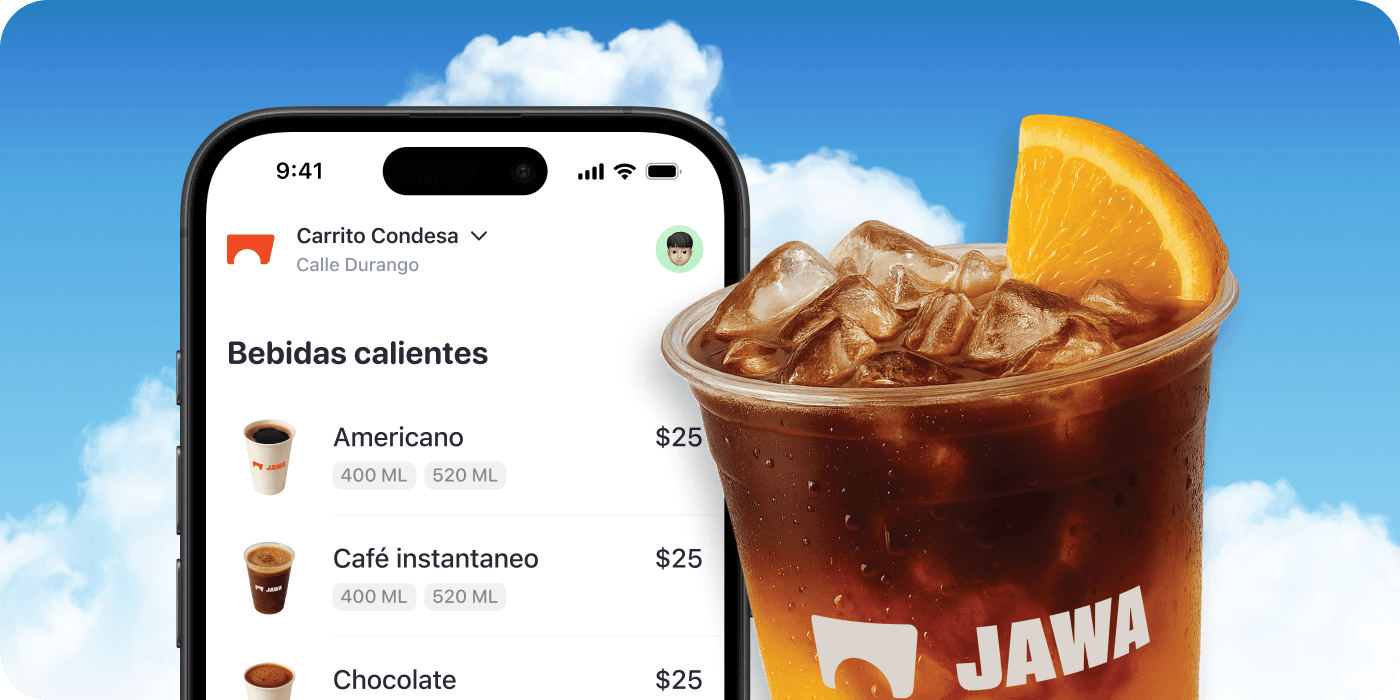
JAWA was a company built on the idea that informal commerce can evolve with the use of digital technology. We made a coffee cart that sold 5k+ cups of coffee across 5 locations.
What's JAWA?
I founded JAWA to answer a question that I've been asking since my time at Warp: what happens when you bring modern product technology to informal street commerce? Mexico City runs on street vendors, but almost none of that economy—a huge, mostly cash market—is legible to software. I wanted to find out whether a street business could feel as considered as a venture-backed app. So, we built one from the ground up: a coffee cart with an app. And we tried to provide the best experience possible. Over the course of the project we moved a single cart between five street locations and sold 5,000+ cups.
The core problem: a store that moves
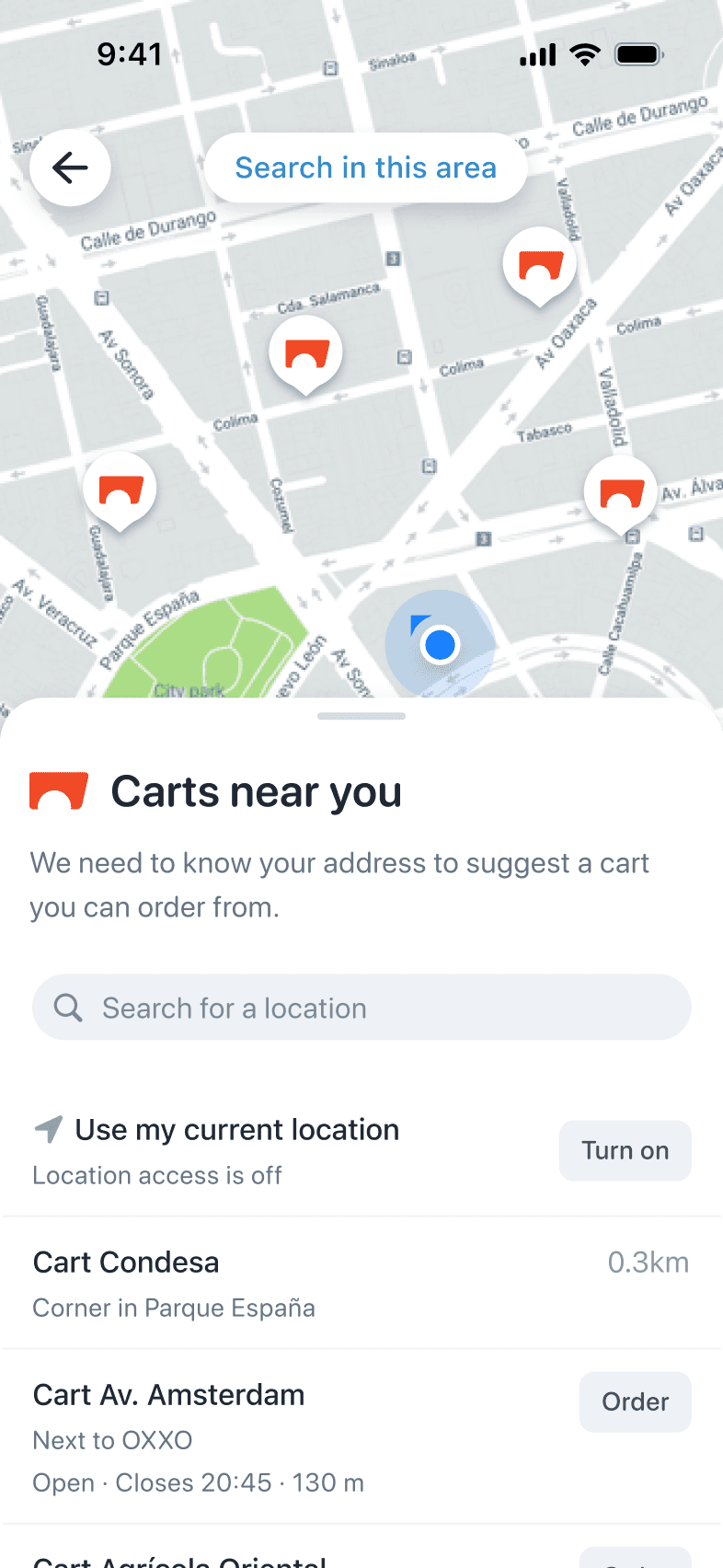
The hardest design constraint was that our storefront wasn't fixed. The cart moved between locations through the week, but a customer still needs to find it, order a coffee, and trust that it will actually be there when they arrive.
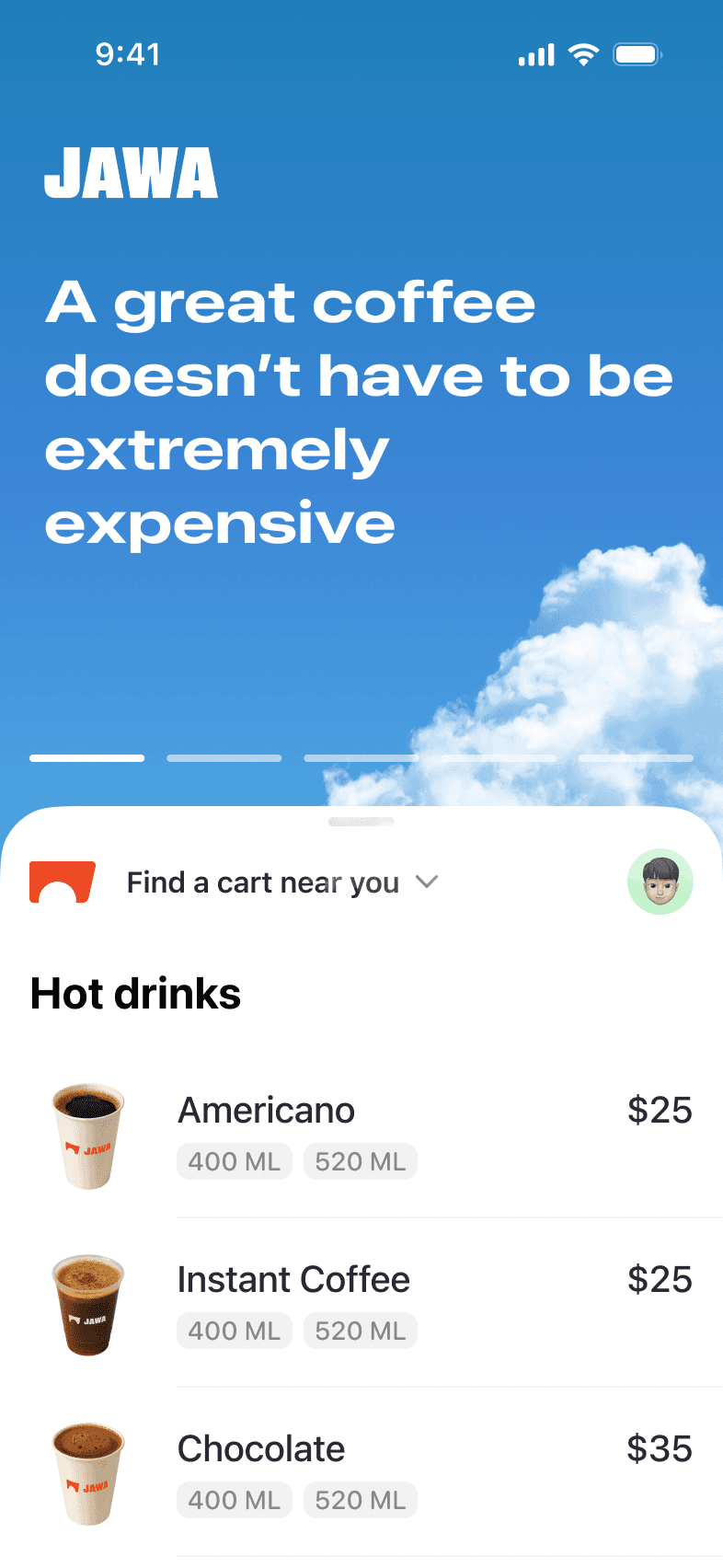
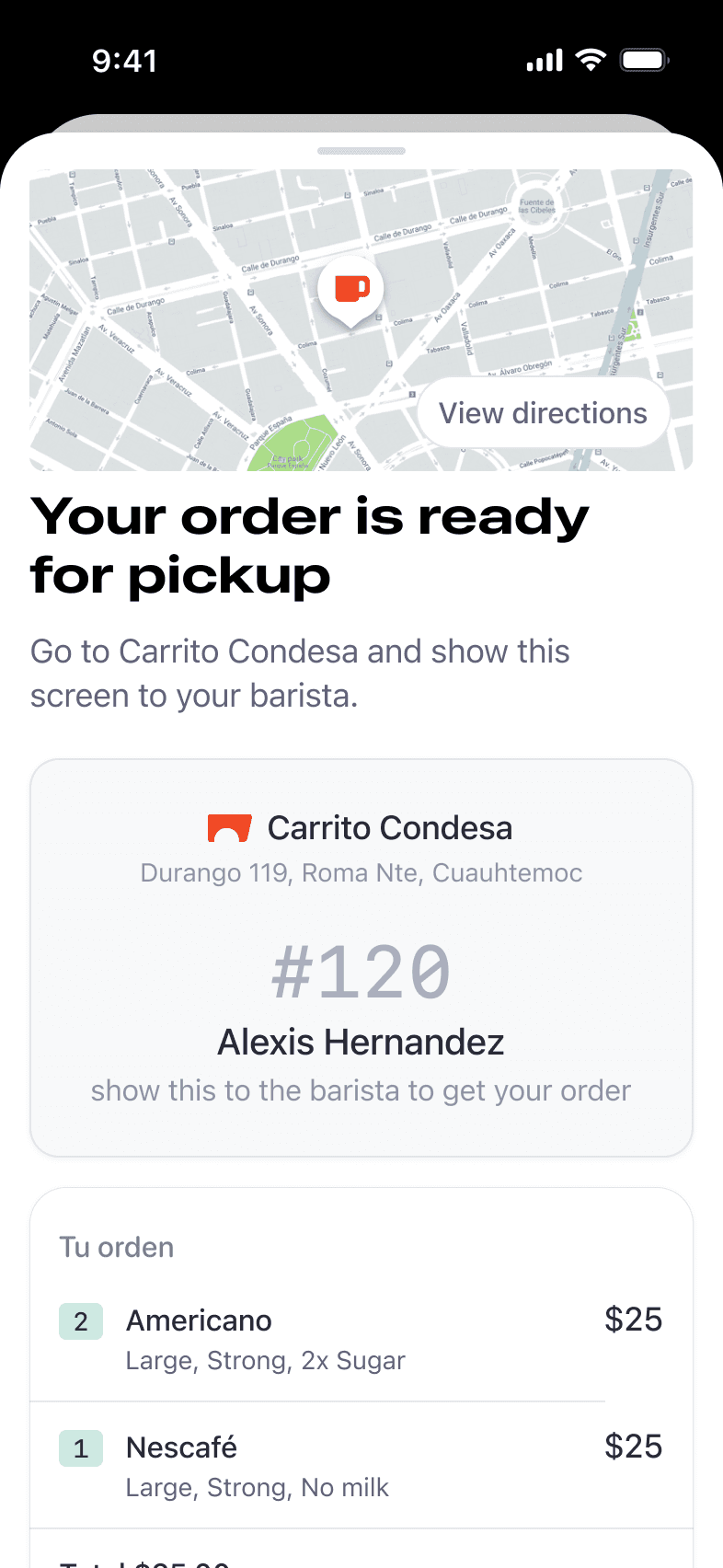
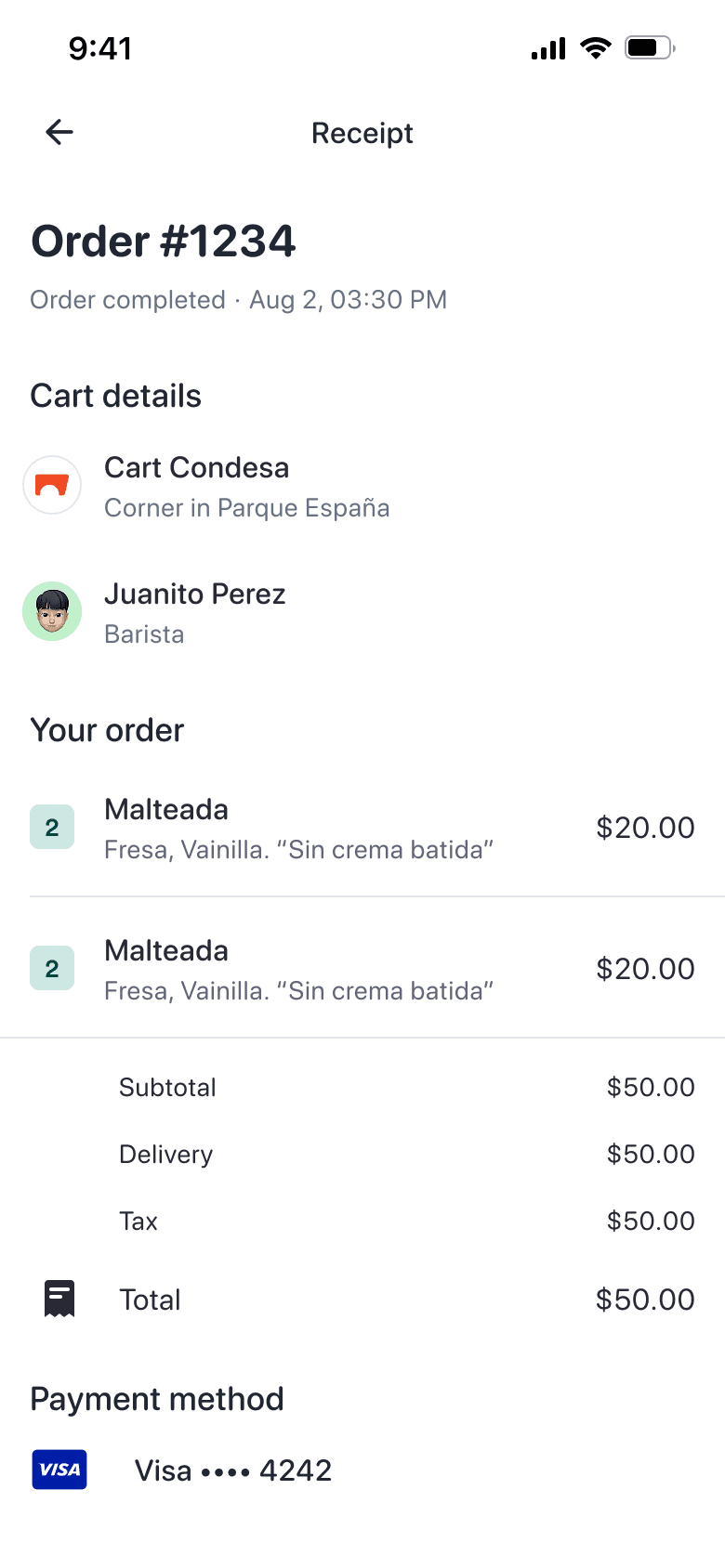
I modeled the experience on food delivery apps people already understood: you open the app, order your coffee, we start prepping it, and you walk over to pick it up. The main difference was that it was pickup only and the cart might be moving around, so the app had to help you locate it, and in a fuller version handle multiple carts around you (we ran one cart in practice, rotating it across five spots).

Designing and building it end to end
I designed the entire product and then coded it myself with AI agents. The stack is simple React Native Expo on the front end and Supabase on the back.
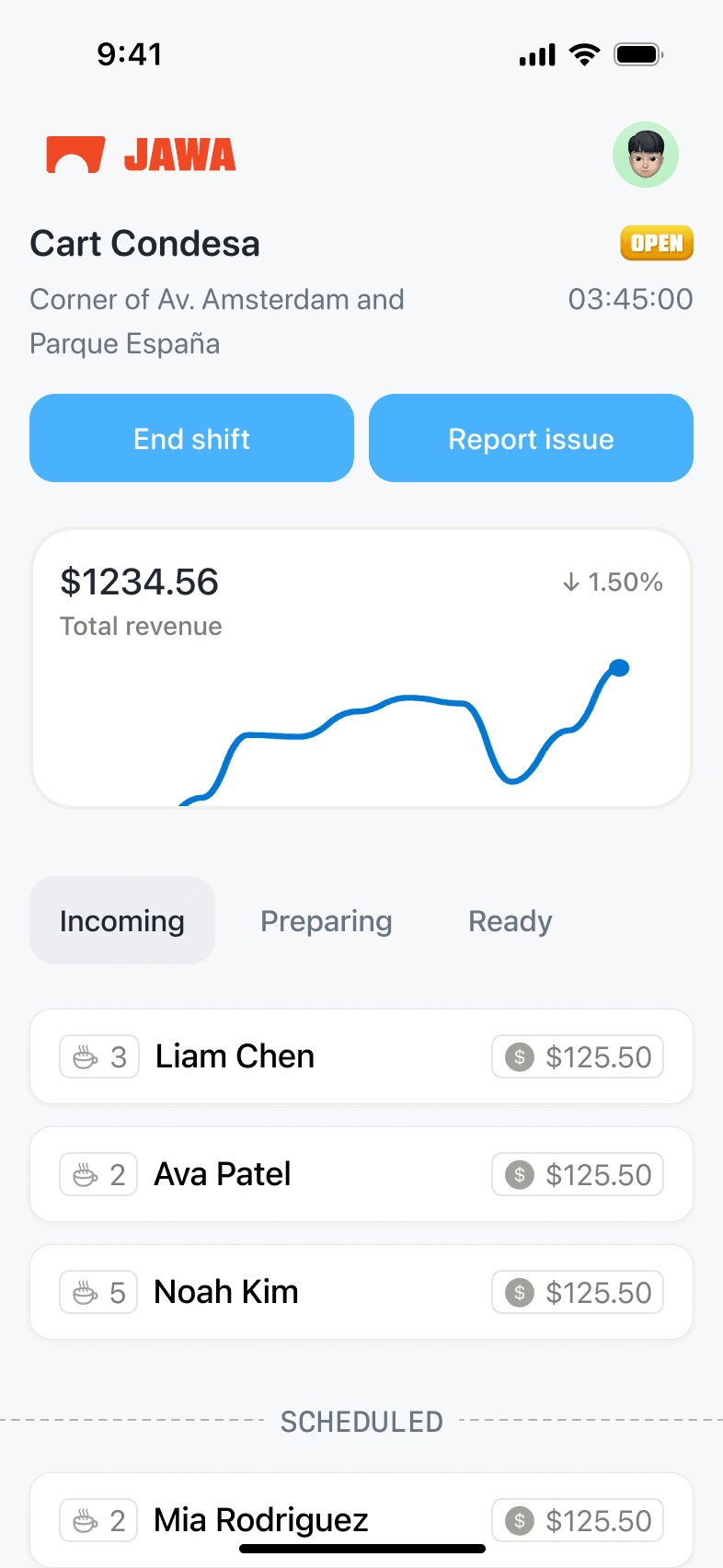
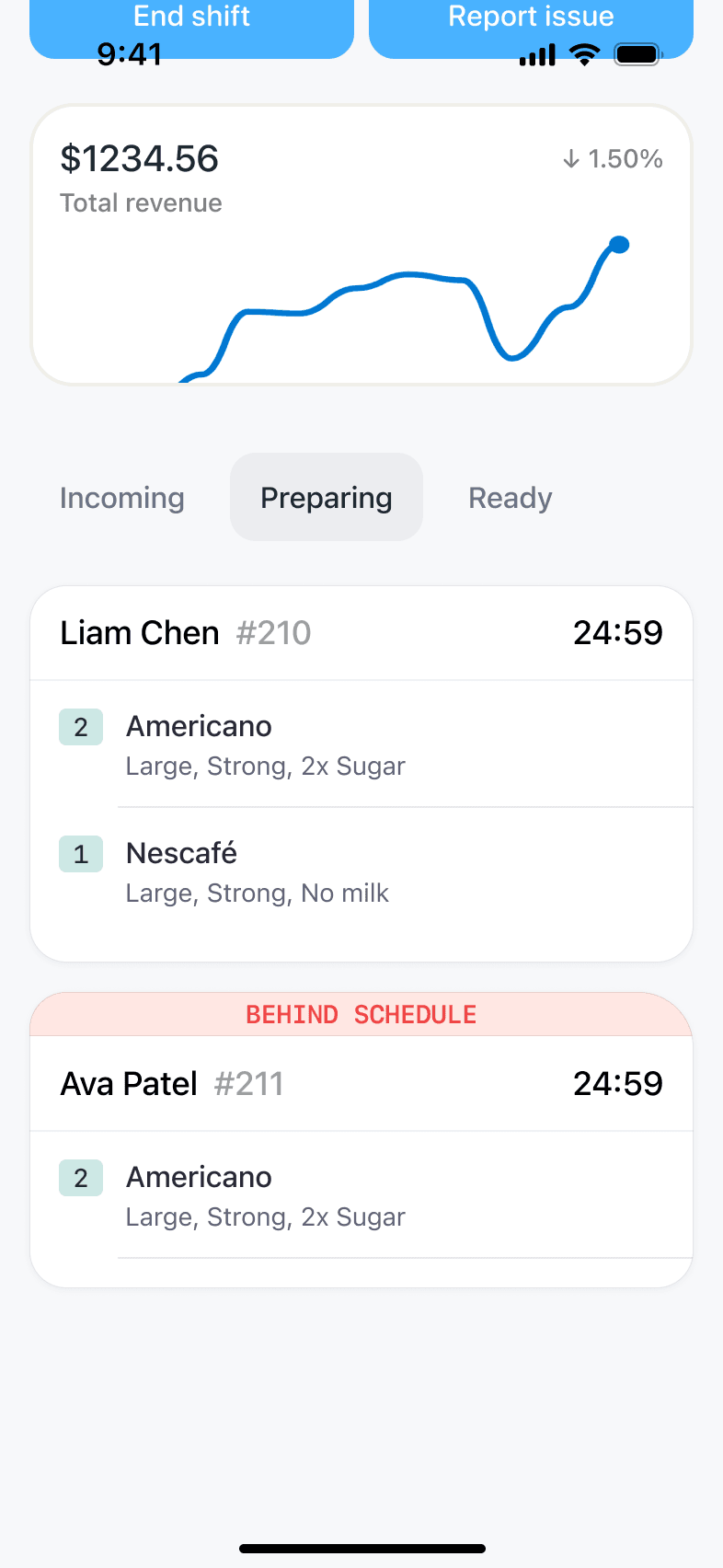
When we opened we realized the baristas also needed to know what to make and deliver it to the right customer. So I built a companion app for the cart — baristas could see incoming orders, accept or reject them, and set a preparation estimate that fed straight back into the customer's app. Using supabase on the backend made it very easy to link up the same database to both apps and exchange information between them.
Making informal feel friendly
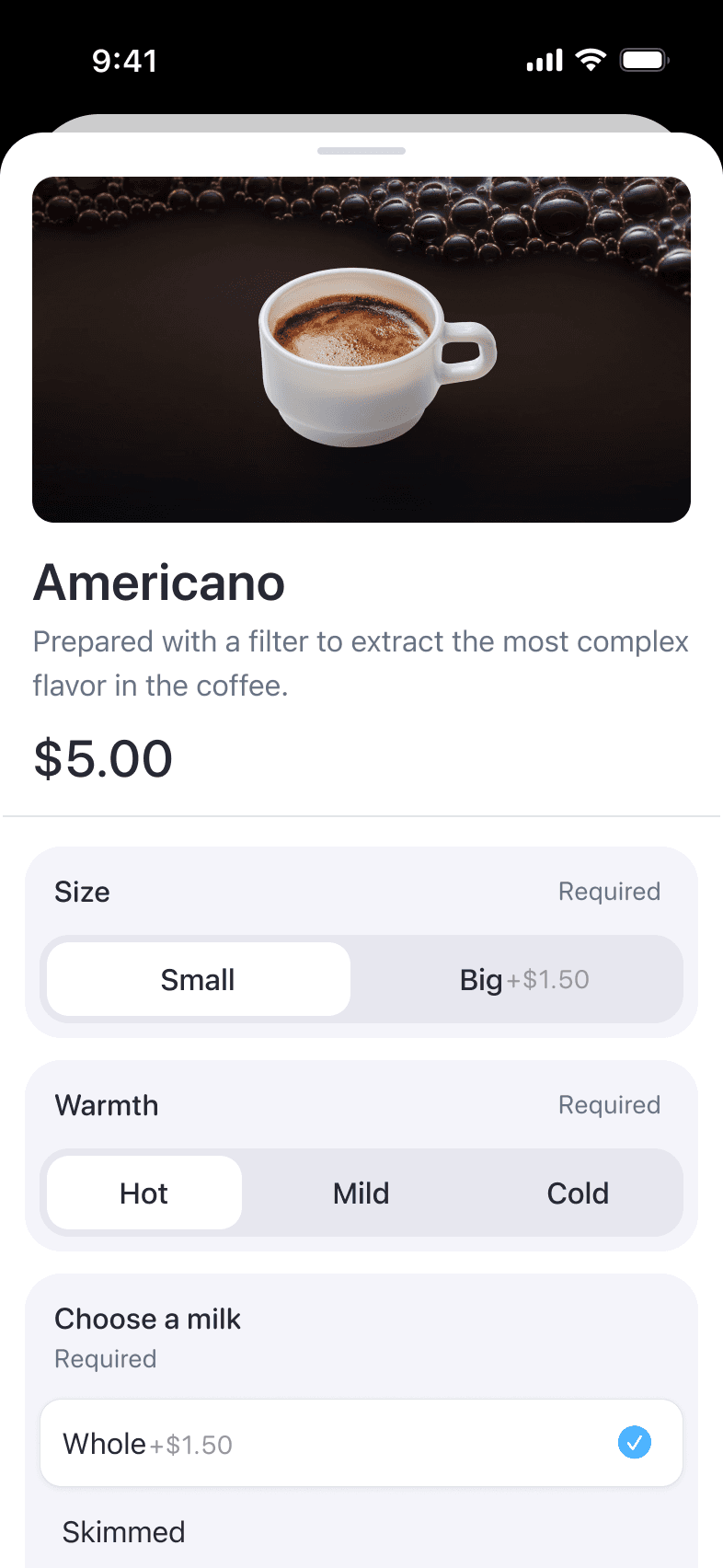
Part of our bet was emotional, not just functional. Street coffee tends to feel very improvised, and we wanted JAWA to distinguish itself as a warm consumer brand. I designed the identity and a set of assets to support it, and kept iterating on the UI so the product felt fresh. The ordering screens were designed to evoke a simple yet modern vibe with rich imagery, clear options, and playful microcopy.
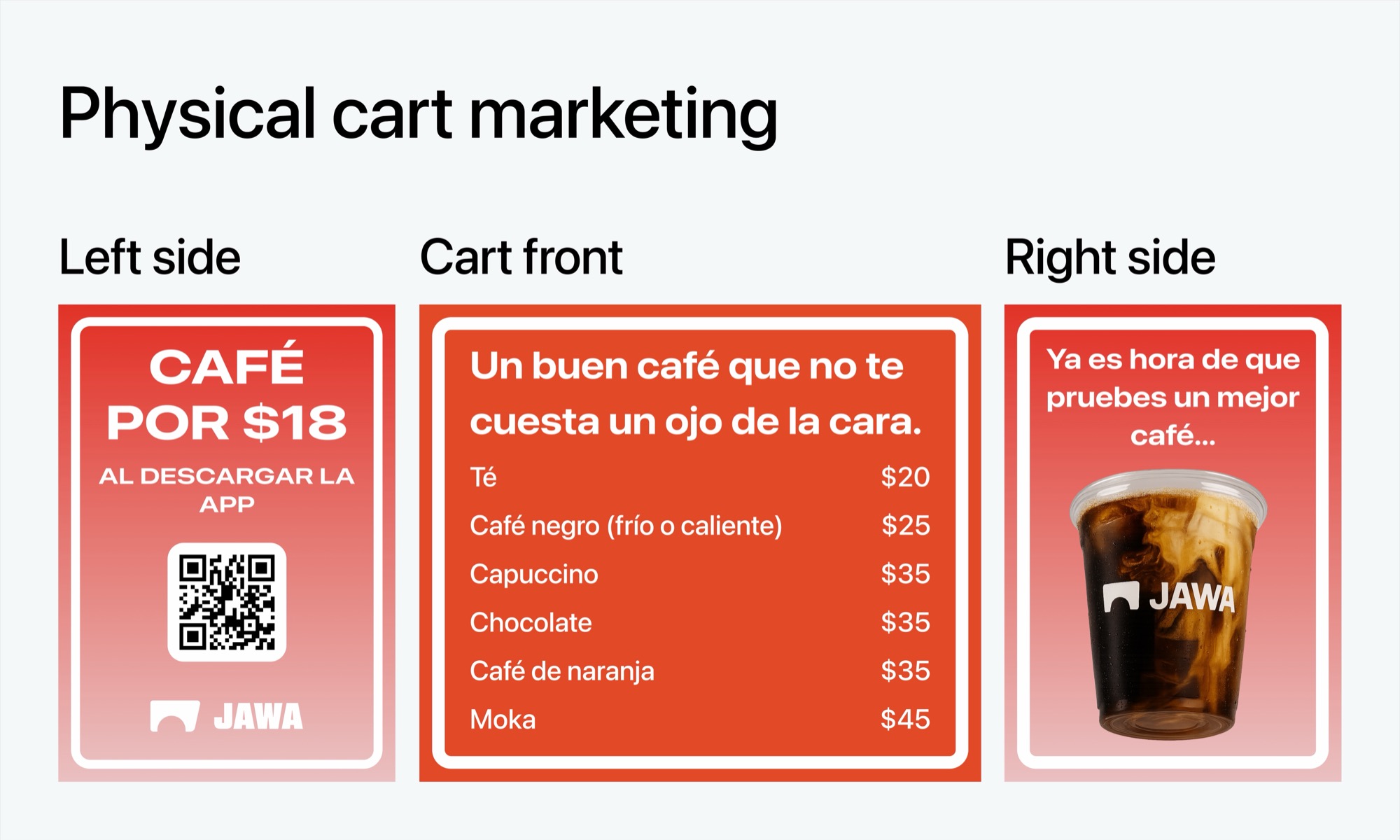
The brand also had to work off-screen, so I designed its physical marketing as a system across the cart's three faces. We showed a QR code and a hook to drive app downloads, and the full menu up front so you could see it from a distance. These assets were stuck to the frame of the cart with magnets, so we could easily swap them and test different messaging depending on the location.
Market dynamics
The street environment was the most interesting part of this whole project — and ultimately why we shut it down. To make this work the way we envisioned, the business needed far more funding and scale than we could put behind it.
We also learned why incumbent street vendors are so hard to displace. Their main advantage is they can endure years in the same spot through relatively poor sales, and that long horizon earns them a location's foot traffic once it finally takes off. It was difficult to mimic that with a product that needed hypergrowth to truly fulfill its mission and reach its ideal numbers
Besides that, selling on the street in Mexico is a gray area. Just to set up and sell coffee, I found myself negotiating with police, government officials, and, in some places, organized crime, even though all I wanted was to run an honest business, pay my taxes, and not step on anyone else's corner. It's disheartening to realize the system didn't really make room for what I was trying to build. But it also helped me understand more deeply why certain business models, while potentially good, might not be able to make the impact they need to survive, without the right funding, strategy and talent.